


Leadership
Voluntarism and Unselfish Leadership
Selfless behavior of key individuals is critical to the development of local institutions for self-governance.

Selfless behavior of key individuals is critical to the development of local institutions for self-governance.

By building strategic alliances with investors and shareholders, Indigenous Peoples are proactively protecting their rights by urging corporate respect of those rights in routine operations.

Indigenous intermediaries are crucial to overcoming asymmetries between impact investors and Native America through the building of relationships of trust, creation of an ecosystem for impact investing in Indigenous communities, and performance of the due diligence investors need to manage risk.
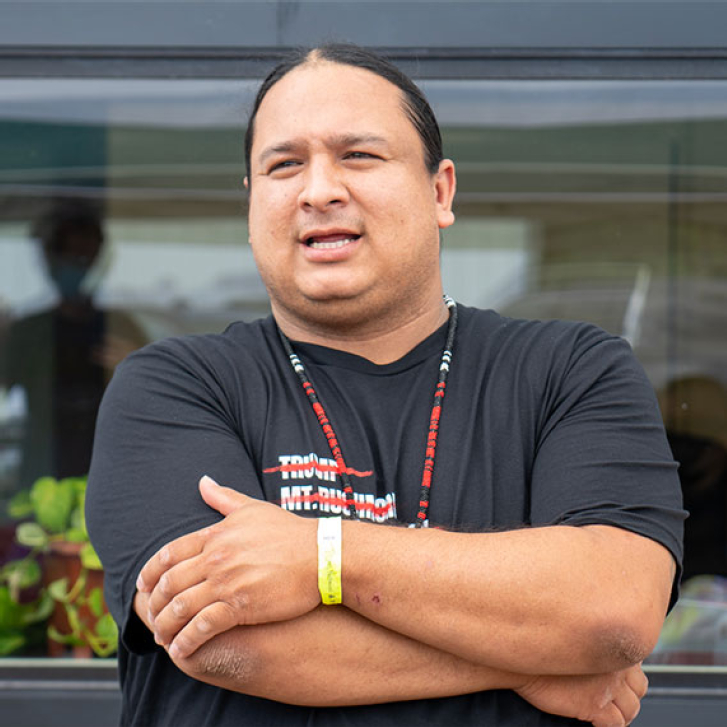
To solve the most pressing issues for Indigenous communities—and for the world at large—power and autonomy must be given to Indigenous people themselves.
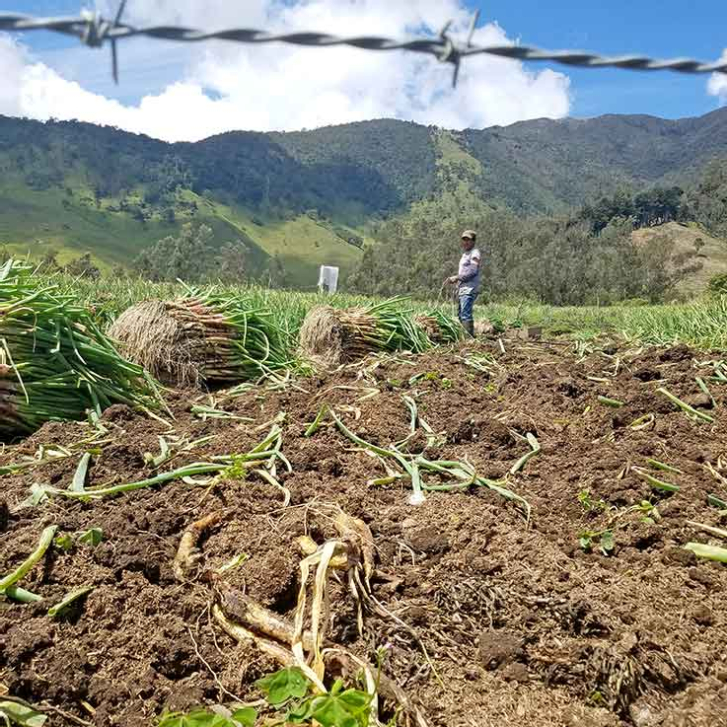
As climate change creates new ambiguity problems for farmers, communities need to better understand and assess their own environments.

For the past 30 years, celebrated academics and business leaders have promoted the idea that companies often profit by addressing social and environmental problems. Although these proposals have been hailed as promising breakthroughs, they are unscientific and counterproductive.

As a macro risk factor, climate change needs to be disentangled from the other social and governance mandates in the ESG investing rubric.

How Middlebury’s culture of collaborative, student-centric innovation lead to Energy2028, the phaseout of fossil fuel investments in the college endowment. Part of the Innovating Higher Education series.

Consumers will never solve the climate crisis. To build sustainability, business leaders must partner with government and society to re-focus their companies on new forms of market exchange.

Breaking down silos means starting from intersectionality and emphasizing climate justice.