


Organizational Development
Decentralized Workplace
Companies that adopt nonhierarchical organizational structures require deliberate efforts and collective planning to succeed.

Today’s communications landscape demands that social sector organizations move away from a 20th-century broadcasting approach and toward dialogue, relationship-building, and fostering community.
Companies that adopt nonhierarchical organizational structures require deliberate efforts and collective planning to succeed.

Bringing different organizations’ cultures together and building an effective inter-organizational culture can be done, but only if participants are savvy and intentional about culture.

Amid much discussion about the future of philanthropy, one mystery deserves more attention: Why does the giving of so many ultra-wealthy people lag far behind the aspirations they express?

How nonprofits can build the data infrastructure to analyze what they already know

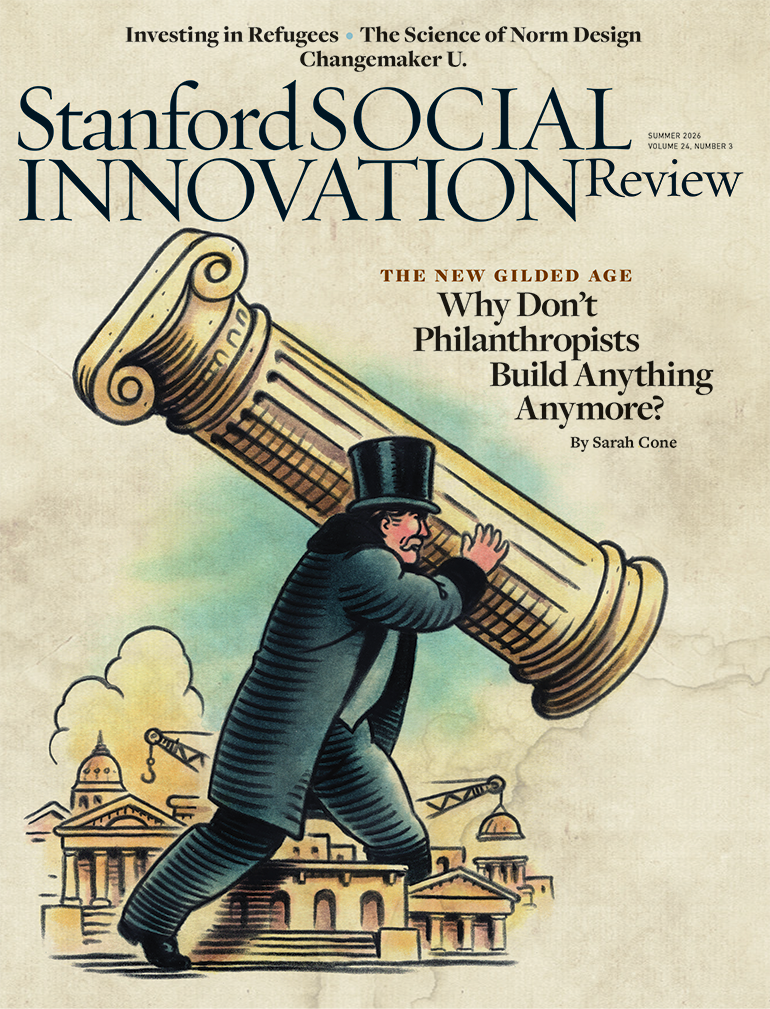
A response to SSIR’s Summer 2026 cover essay.

Many modern philanthropists are building impact that lasts, though it may not look like the brick-and-mortar projects of previous eras. These five dimensions are a helpful guide.
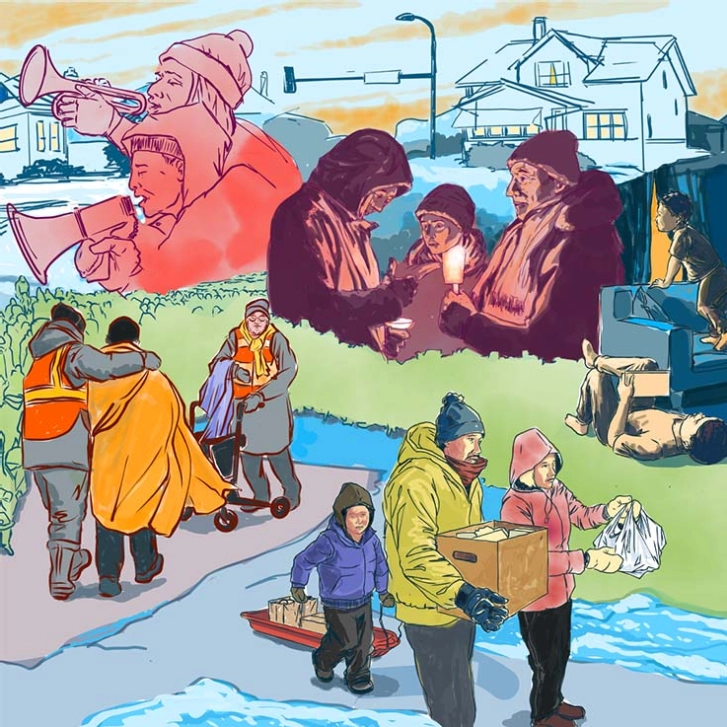
Lessons from Los Angeles, Chicago, and Minneapolis on defending our neighbors and democracy


Funders are calling for more program evaluation, but nonprofits are often collecting dubious data, at great cost to themselves and ultimately to the people they serve.

Large-scale social change requires broad cross-sector coordination, not the isolated intervention of individual organizations.

For NGOs, impact comes in different forms and to track the cycles of social change work, we must think across the tangibility and the speed of emergence of change.

With an understanding of these 10 funding models, nonprofit leaders can use the for-profit world's valuable practice of engaging in succinct and clear conversations about long-term financial strategy.

Professionalism has become coded language for white favoritism in workplace practices that more often than not leave behind people of color. This is the fourth of 10 articles in a special series about diversity, equity, and inclusion.