
“Poor Economics” Needs a Theory
To understand poverty, we need a more complex epistemology that allows for the interdependencies which correlation often implies.
To understand poverty, we need a more complex epistemology that allows for the interdependencies which correlation often implies.
UCLA professor Matt Kahn talks about the scope of serious environmental sustainability issues.
Insight into the cultural, philosophical, and historical factors that shape China’s emerging philanthropic efforts.
America must invest in art and imaginative capacity.
How are the UK and US addressing the third sector’s next challenges, and where they are failing?
Nonprofits should seek for-profit allies who are interested and invested in their causes—even if they don’t walk into the first meeting with a signed check.

More Than Good Intentions: How a New Economics Is Helping to Solve Global Poverty by Dean Karlan & Jacob Appel
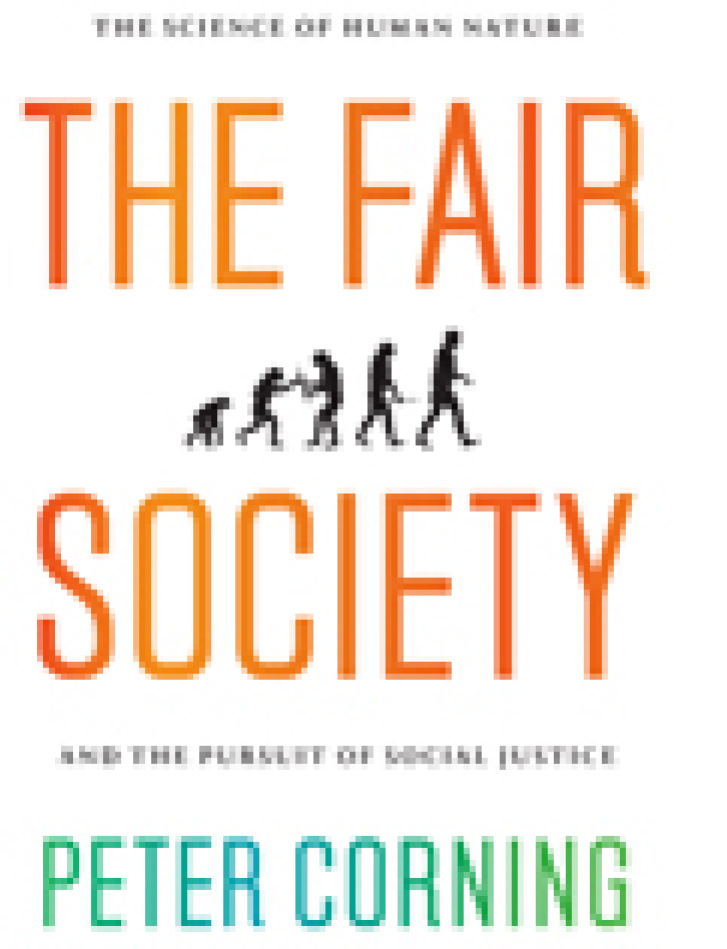
The Fair Society: The Science of Human Nature and the Pursuit of Social Justice by Peter Corning
Under the EPA’s Audit Policy, violators who voluntarily report themselves can get certain penalties reduced or waived if they commit to ongoing self-regulation.
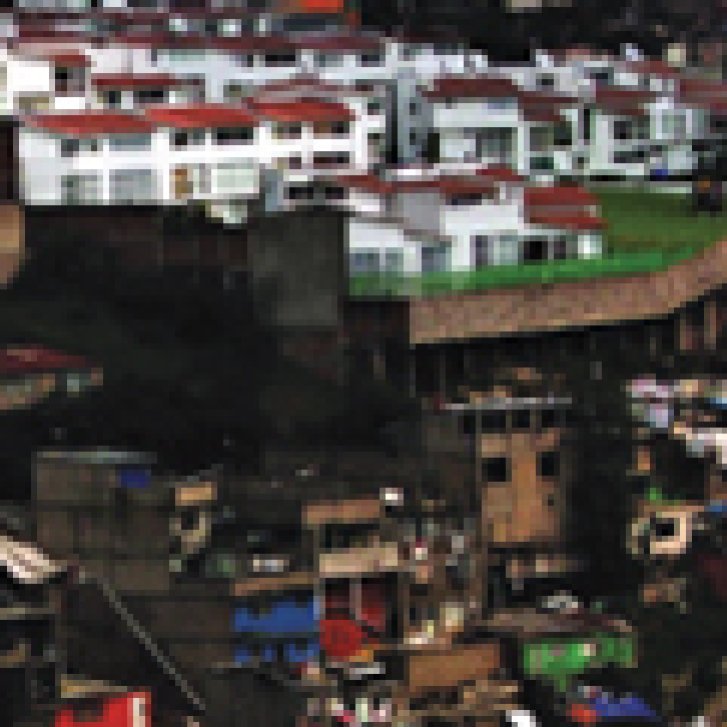
According to a new analysis, most of the world’s poor no longer live in the poorest countries.