
Combatting the Psychology of Bias
How our brains undermine long-term thinking, and what social impact organizations can do about it.
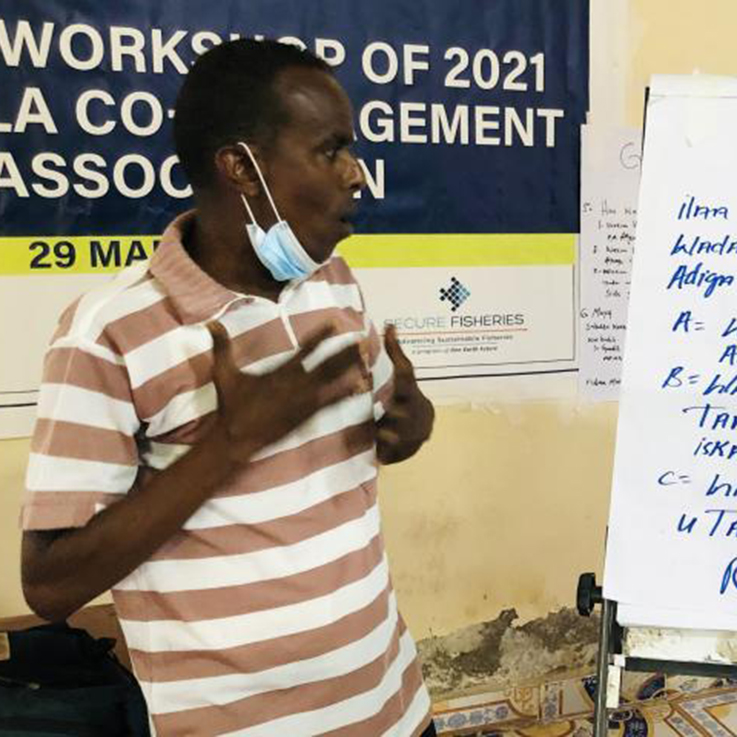
How our brains undermine long-term thinking, and what social impact organizations can do about it.
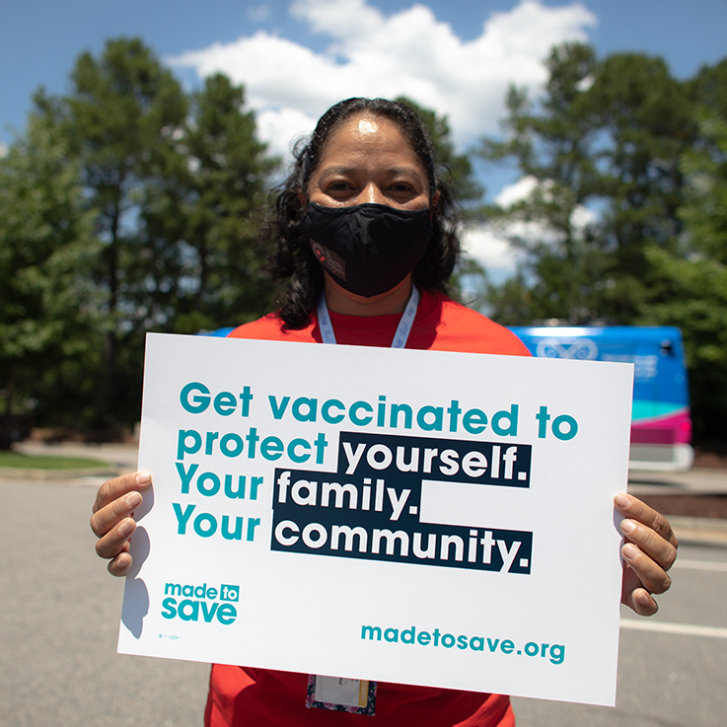
COVID-19 vaccine efforts showed how successfully centering communities can overcome mistrust and access barriers.

The ethical pause—a short period of reflection and inquiry about a project’s ethical implications and the team’s approach to the work—helps ensure teams ask the right questions and address issues of inequity and access in the services they develop.
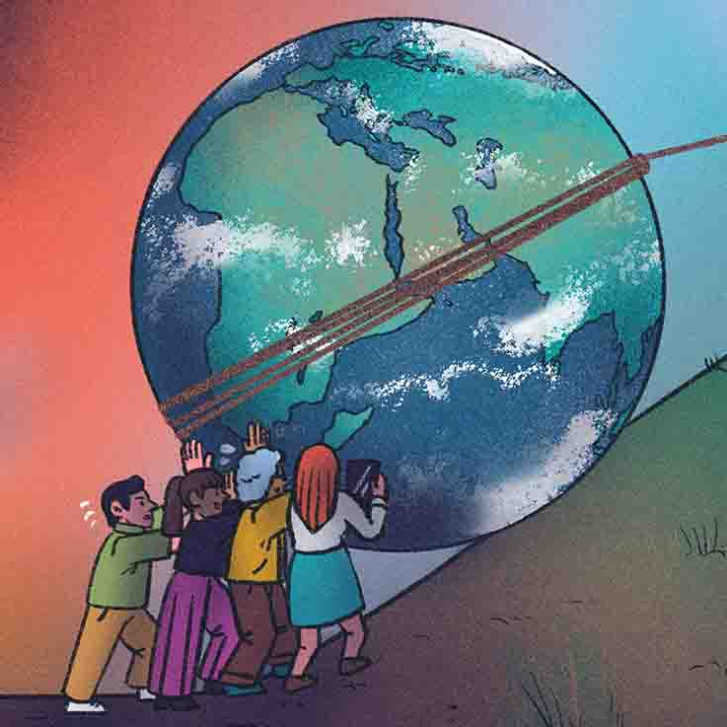
Through intentional investments and informed divestments, investors, philanthropists, and foundations can support environmentally conscious, community-centered, and reparative approaches to economic and technological change.

If humanity is to survive the climate crisis, we must manage a just and orderly transition away from fossil fuels. The correct models for this resolution are triage, euthanasia, and hospice.
Open-access to this article made possible by University of Michigan.
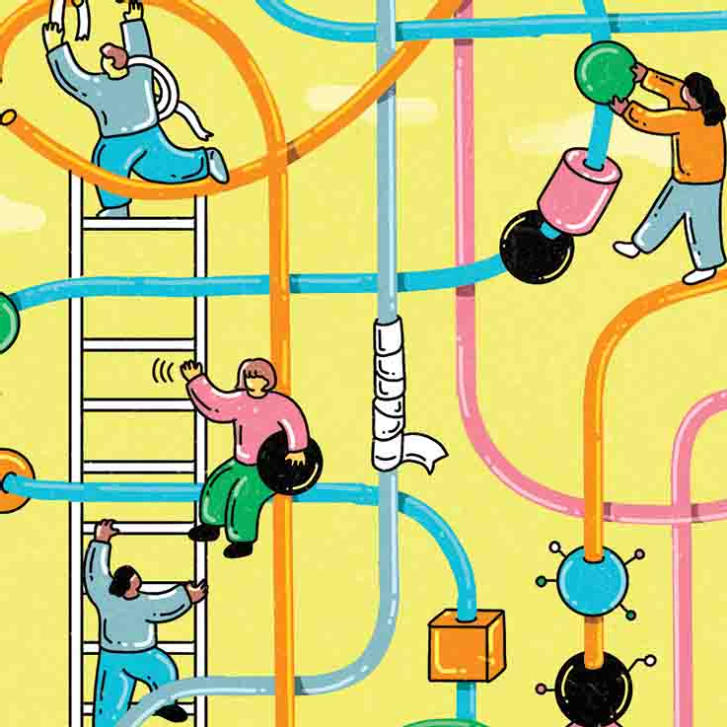
Social impact networks inevitably face moments of existential crisis. But networks can prepare for them by asking the right questions.
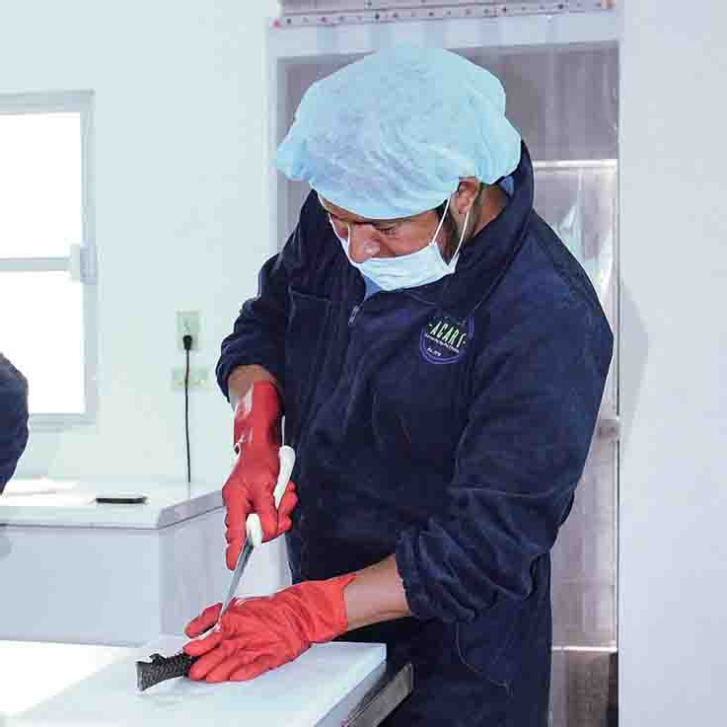
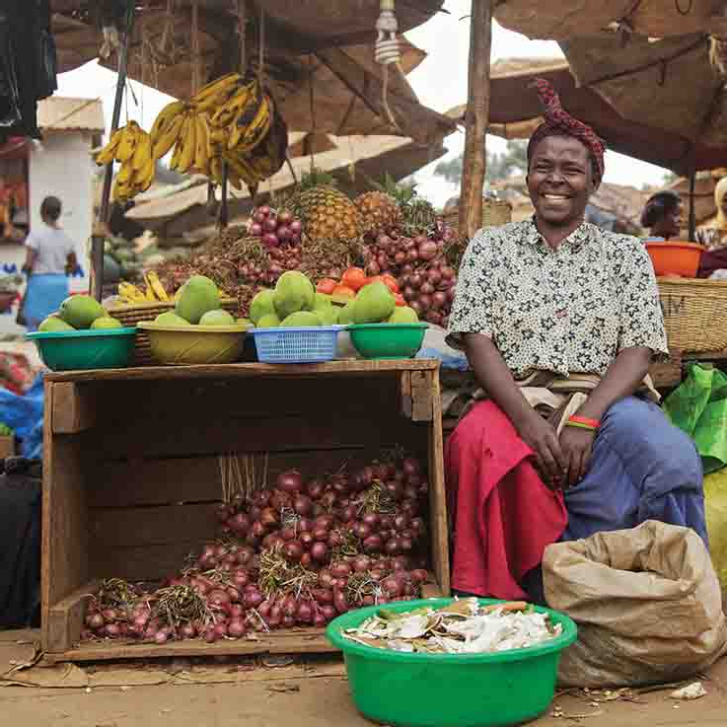
A social franchise offers business education and mentorship to help the world’s poorest workers maximize their earning potential.

Mosaic America fosters intercultural awareness and respect through its artistic programming.

Kobalt Music Group is challenging the dominance of the Big Three record labels by harnessing technology to pay musicians more, faster, and with greater transparency. But how far can it reform an industry built on the exploitation of its talent?