

Going Local 2.0: How to Reform Development Agencies to Make Localized Aid More Than Talk
Global aid agencies must shift from just agreeing to “go local” to preparing development experts for the task.
Innovative approaches to internally driven, organization-wide efforts to achieve strategic goals (more)

Global aid agencies must shift from just agreeing to “go local” to preparing development experts for the task.
As technology morphs businesses, markets, and economies, we must reimagine how we educate future managers—the UN’s Sustainable Development Goals provide a North Star.
The dogma in business school education is that faculty’s research should be relevant, yet serving our students also means questioning what relevance leaves out.

The journey toward greater diversity, equity, and inclusion has no fixed endpoint, but here are a few places to start.
Personal experience is central to the education and development of managers.
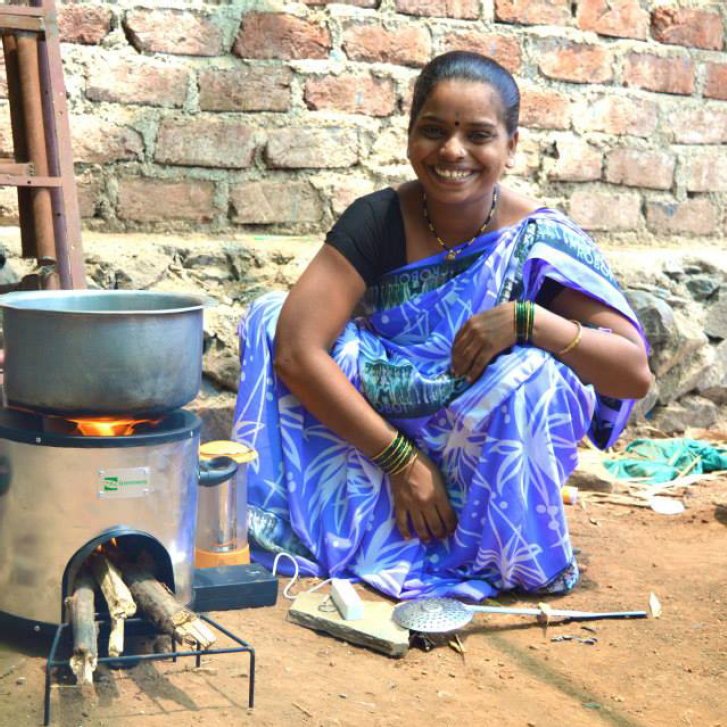
Women co-run businesses are outperforming their male-only counterparts, but not enough investors are betting on them. Here’s what we can do to support representative entrepreneurial ecosystems and how an India-based investor is pointing the way.
We need to equip the next generation with the tools they need to deliver on good intentions.

In this multimedia series, sponsored by the William and Flora Hewlett Foundation, voices from the social sector will offer tactics, tools, and advice gleaned from the grassroots to encourage nonprofits and foundations to make listening to their constituents—and acting on what they hear—a smart norm for any organization committed to improvement.
What if all social impact organizations held their leaders and staff accountable not only for what they accomplish, but also for how they accomplish it?
The integration process following a merger agreement is essential to achieving success.