


Ten Nonprofit Funding Models
With an understanding of these 10 funding models, nonprofit leaders can use the for-profit world's valuable practice of engaging in succinct and clear conversations about long-term financial strategy.
New ways to measure and evaluate the impact an organization’s work has on society (more)

With an understanding of these 10 funding models, nonprofit leaders can use the for-profit world's valuable practice of engaging in succinct and clear conversations about long-term financial strategy.

If you haven't bought a flat-screen TV yet, chances are you're waiting for the prices to drop. Technologies get cheaper by virtue of the "experience curve," a phenomenon where, as companies get better at what they do, costs become lower. In this Stanford Social Innovation Review sponsored audio lecture, Robert Searle argues that nonprofits also can have experience curves, achieving a greater volume of outcomes for the same cost. He discusses the types of outcome metrics on which nonprofits should focus.

Voluntary carbon offsets allow people to invest in projects that allegedly counteract their greenhouse gas emissions. But can voluntary offsets help slow global warming? Or are offsets a way for consumers to buy their way out of bad feelings?
Research shows that men may be more effective than woman at utilizing microfinance investments.
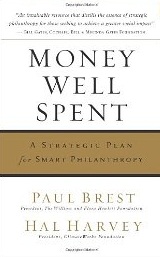
Money Well Spent: A Strategic Plan for Smart Philanthropy by Paul Brest and Hal Harvey
The Lodestar Foundation supports nonprofit collaborations, mergers, and other cooperative activities as a major strategy.

How does an organization get through the evaluation process and live to tell about it? In this panel, part of the Stanford Social Innovation Review's conference on evaluation, funders and fundees on both sides of the table from a variety of organizations in the areas of education and social services talk about what it was like to be in the trenches of successful evaluation processes. They tease out common success factors, including how to work collaboratively across sectors and with multiple constituents.
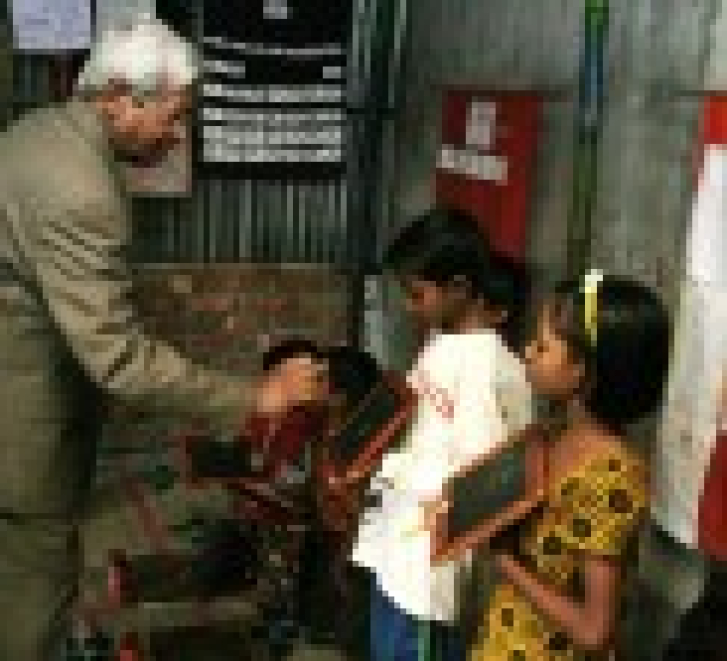
Serving more than 110 million people per year, BRAC is the largest nonprofit in the world. Yet it doesn't receive the most charitable donations. Instead, BRAC's social enterprises generate 80 percent of the organization's annual budget. These revenues have allowed the organization to develop, test, and replicate some of the world's most innovative antipoverty programs.
A new evaluation tool allows donors and investors to track their investments and compare their data to those of organizations doing similar work.