

Community Voices for Social Good
We need a more systemic and accessible way for underserved individuals to share their beliefs, insights, and experiences directly with policymakers, nonprofits, and their own communities.
New ways to measure and evaluate the impact an organization’s work has on society (more)
We need a more systemic and accessible way for underserved individuals to share their beliefs, insights, and experiences directly with policymakers, nonprofits, and their own communities.

Unless we prioritize government collection, analysis, and distribution of data, public officials will continue to make decisions with limited facts, and citizens will get poorer services from the government than from the private sector.

A series of recent projects that incorporate lean design principles show that it’s possible to gather high-quality impact data quickly and inexpensively. Includes magazine extras.
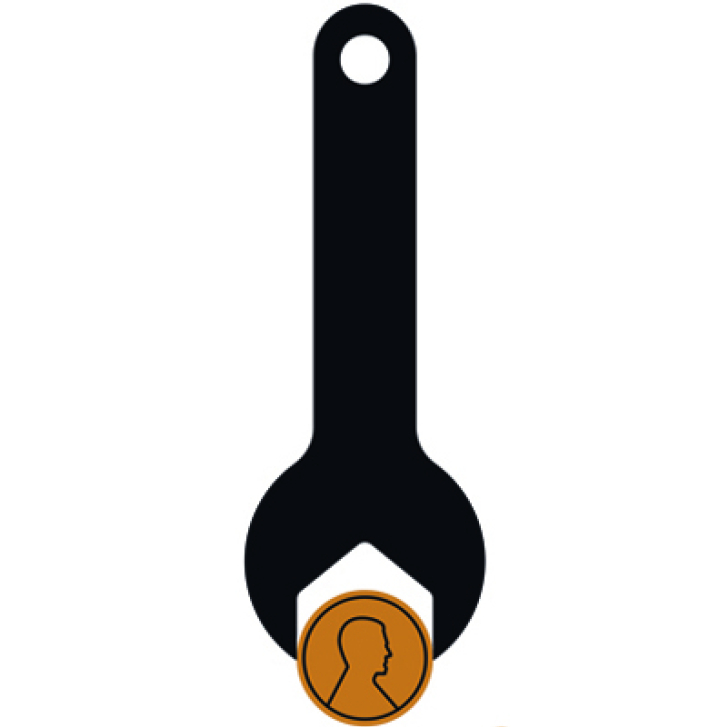
A “multifaceted” program has the potential to yield lasting improvements in the lives of the very poor.

Using a social return on investment framework, organizations can estimate the future impact, cost, and scale of programs before they begin, and allocate resources for greater impact.

Data is a powerful tool for driving large-scale impact, but using it effectively and responsibly in government and beyond requires intentionality.
Without an increase in resources for the development of impact measurement, investors will continue to under-rate the achievements of programs that take a more holistic view of social and environmental improvement.
Using a strategy that starts and ends with community-based collaboration, the animal welfare organization Maddie’s Fund and its partners are achieving the ambitious goal of a no-kill nation.

How the Belgian Red Cross is using scientific evidence to make its services more effective—and cost-effective.