
How Nonprofits Can Find Data-driven Success
Stanford’s Kathleen Kelly Janus provides insight into how the best nonprofits succeed and scale through a data-driven culture.
New ways to measure and evaluate the impact an organization’s work has on society (more)

Stanford’s Kathleen Kelly Janus provides insight into how the best nonprofits succeed and scale through a data-driven culture.


A new approach to measurement has the potential to surface quicker, cheaper, better data about notoriously hard-to-measure social change.

The ability of teachers to improve students’ non-cognitive abilities may have greater importance than test scores.
Philanthropists need to acknowledge the challenges nonprofits face in reporting succinct and compelling outcomes, and to avoid celebrating simplistic claims.
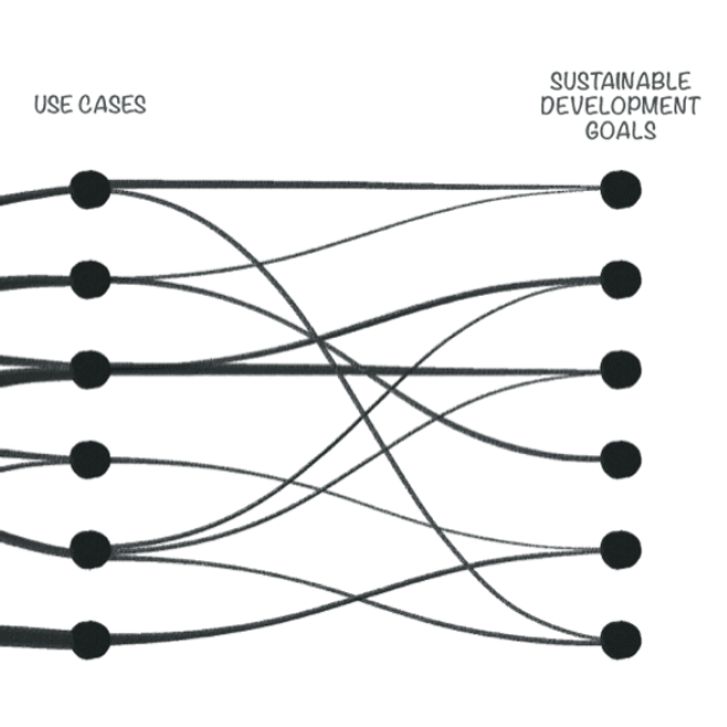
Affordable, accessible financial products and services like mobile money are becoming more prevalent in the developing world, but are they improving the lives of the poor?

To accelerate the ethical use of sensitive data, governments and universities are setting up new systems to give secure access to their researchers. However, if they want to be able to evaluate the full range of social service programs, they also need to make this data is useful to nonprofits.

Without methods to gauge success and failure, and without appropriate ethical frameworks, humanitarian tech may do more harm than good.
The Trump administration wants to ban terms like “evidence-based” from government reporting. But if policymakers can’t make budget and policy decisions based on evidence, what, exactly, is supposed to guide them?

Seven criteria for assessing whether an intervention is right for pay-for-success financing.