

Two Experiments With Outcomes Frameworks
The new public management model of governance has failed. But an emerging collaborative and democratic approach shows promise.
New ways to measure and evaluate the impact an organization’s work has on society (more)

The new public management model of governance has failed. But an emerging collaborative and democratic approach shows promise.

Research does no good if its insights are irrelevant or not applied. Ensuring that evidence influences policy requires developing the right ecosystem and levers for accountability.

Scale is a verb, not a noun: The trajectory and curve of impact are more important than the numbers.

Participants are not simply the intended beneficiaries of nonprofit programs. Their organizational experience, in addition to their program experience, should guide nonprofit management to achieve more meaningful social impact.

Impact investing needs more than just “evidence” of impact; we need continuous “impact performance” data that is dynamic, fluid, and iterated upon.

A greater focus on co-created, measurable outcomes can help build trust between public, private, and social sector partners, and thus improve the effectiveness of outcomes-based contracting and the social programs they create.
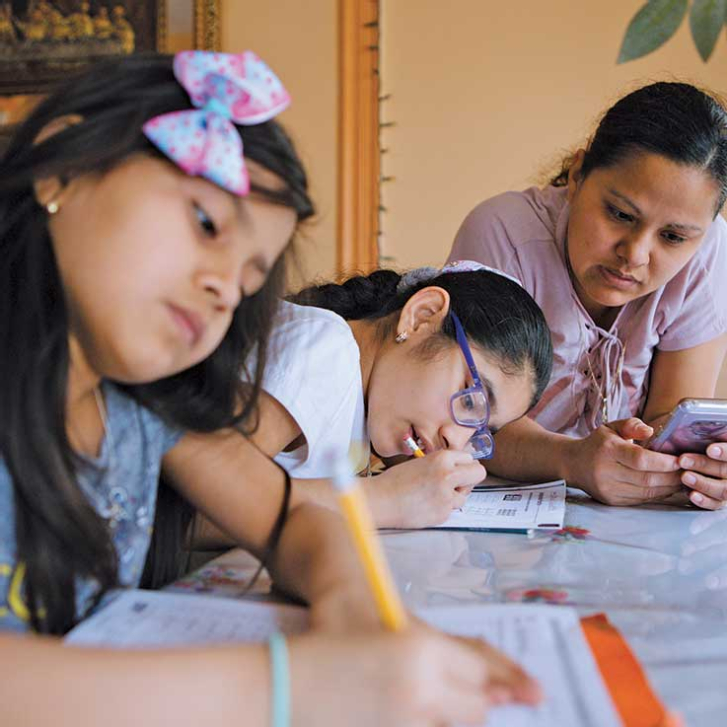
A new framework, Evidence2Success, gave the Children and Youth Cabinet a road map to put equity at the center of its work with young people.

Implementation researchers and practitioners must examine how the field can be truly equitable. A systemic approach offers a path forward.

Equity must be integrated into implementation research and practice. Here are 10 recommendations for putting equitable implementation into action.

The social enterprise Smart Focus grounds their solutions to China’s rural vision-care crisis in research.