
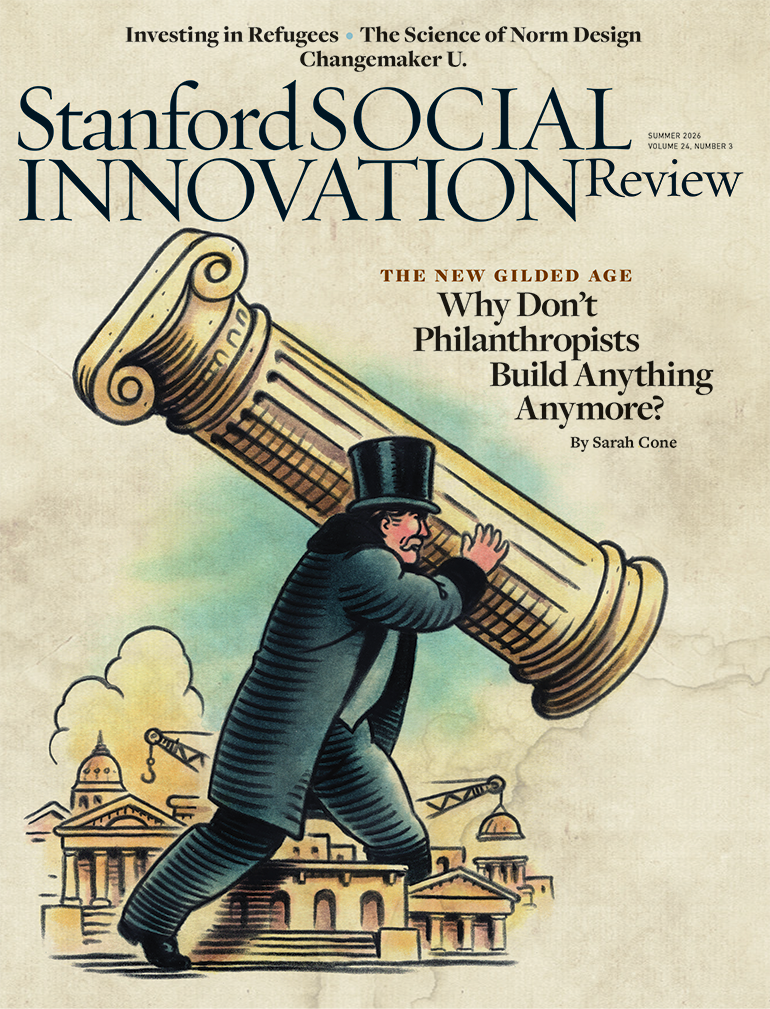

A Theorem of Justice
By adopting tools from Bayesian rationalist analysis, social justice philanthropy can become more ambitious and impactful.
New ways to measure and evaluate the impact an organization’s work has on society (more)

By adopting tools from Bayesian rationalist analysis, social justice philanthropy can become more ambitious and impactful.

For NGOs, impact comes in different forms and to track the cycles of social change work, we must think across the tangibility and the speed of emergence of change.

New evidence shows that the very act of giving feedback on nonprofit programs can predict participant outcomes.

Hiring managers focus on qualities they deem relevant to the job, even if applying those qualities may be discriminatory.

An excerpt from Innovation Accounting on Deadhorses and Unicorns.

How social venture investors can better track the performance of their investments, gauge their viability, and identify projects with the greatest chance of achieving social good.

To cure the social sector’s metric monomania, we must get comfortable with complexity.

For a more inclusive form of capitalism, human capital must flourish as much as financial capital does.
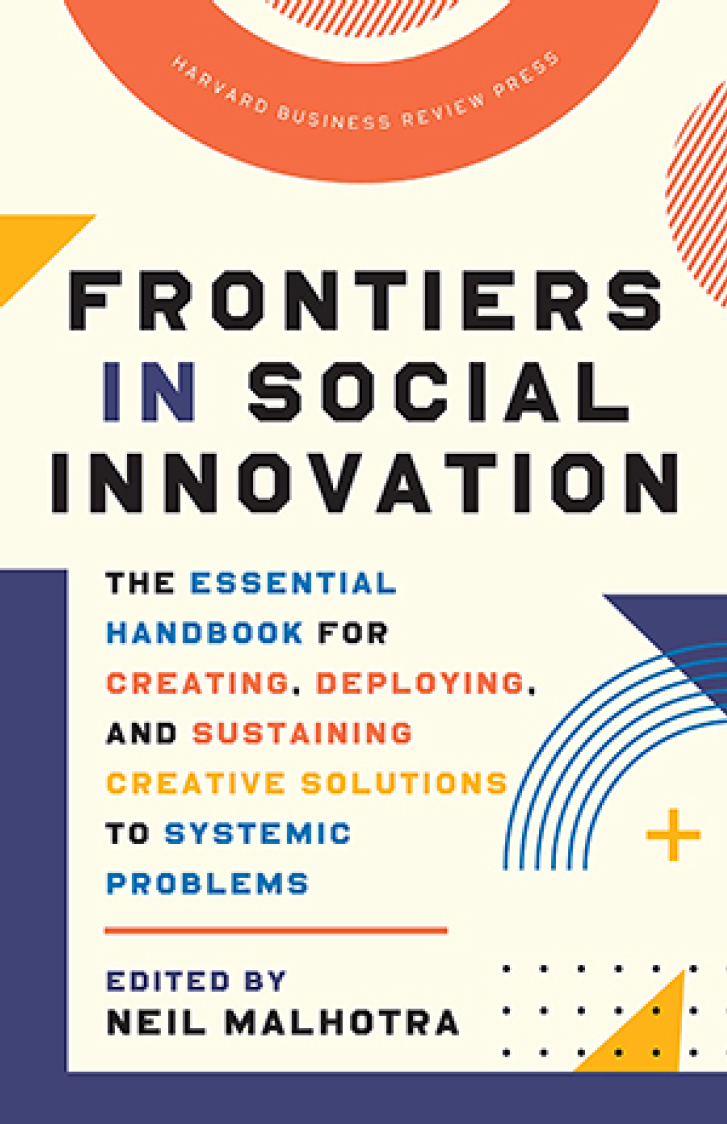
An excerpt from Frontiers in Social Innovation on making ESG metrics trustworthy

The social sector too often extracts and siloes data from the communities it supposedly serves.