

Decades of Deadlock: Using Network Principles to Break Through
When not being able to figure out who “won” means everyone did.
Social innovations that enrich society and enhance democratic participation (more)
When not being able to figure out who “won” means everyone did.
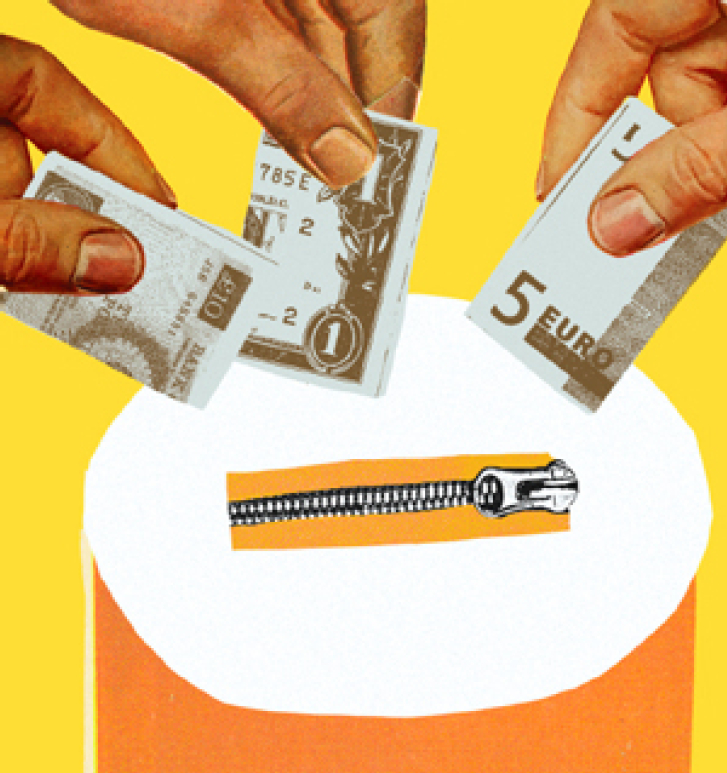
To counter restrictions on NGO activity, local groups need to reduce their dependence on international financial support.
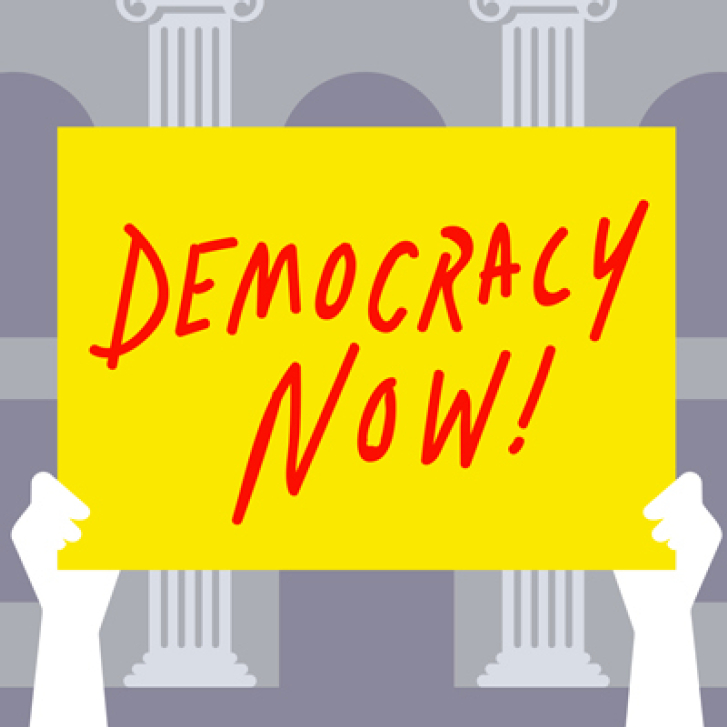
By imposing requirements on recipients, cash transfer programs can “push” them to develop habits of civic participation.

In developing countries such as Kenya, interaction with NGOs appears to boost people’s level of civic activity.
Low-income communities have the power to shape their economic future, but only if they have access to tools that educate and empower.
To address 21st-century problems, we need to build a civic infrastructure that serves all members of society, especially those on the margins.

Creating a healthy, humane world will require more than new organizational designs. It will take rethinking the nature of organizations entirely.
Building relationships with grassroots organizations that advocate for human rights-based development takes time, but without investing in them, philanthropy is likely to stumble. The case of Haiti is instructive.

Five principles to guide how communities can develop new pathways to health, plus concrete steps toward contributing to a culture that values connections and relationships as much as treatments and health campaigns.
Communities have the resources to address the problems they face; they just need to approach those problems in a different way.