


Education
How Higher Education Can Support Local Ecosystems of Innovation
Supporting innovation should not be a top-down approach premised on straitjacketing program designs.
Social innovations that enrich society and enhance democratic participation (more)

Supporting innovation should not be a top-down approach premised on straitjacketing program designs.
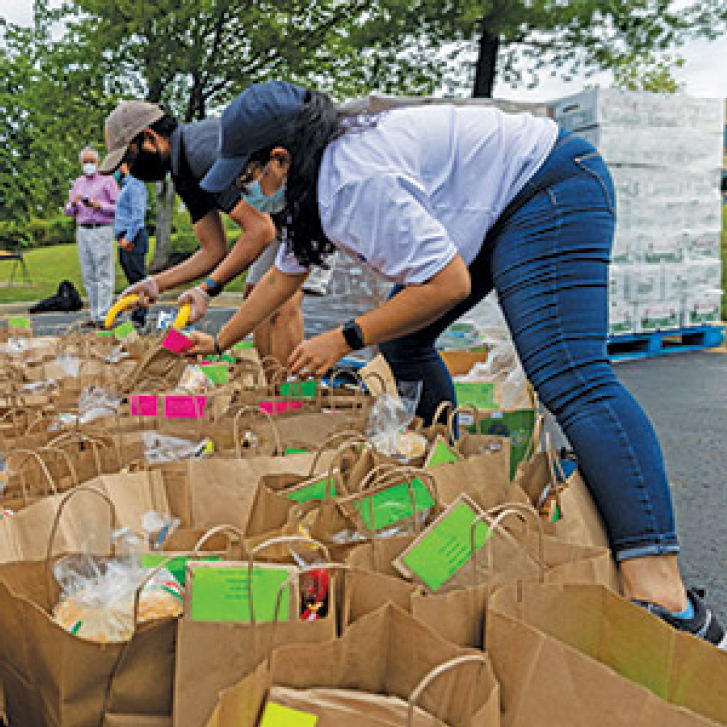
Limiting what counts as philanthropy has curtailed our understanding of its scope and social value. A more expansive approach shows how it is essential for creating a more equitable and democratic society.
Open-access to this article made possible by Indiana University Lilly Family School of Philanthropy.

A network of crisis translators provides trauma-informed translation and interpretation services to immigrants, migrants, and refugees.

A community rallies to save its children from gun violence through coordination, cooperation, and a shared goal.

Elisabeth S. Clemens’ Civic Gifts demonstrates how voluntarism, long associated with locally based efforts, has been central to the project of building a strong nation-state.

Highlights from recent SSIR.org articles on racial justice, well-being, and the COVID-19 pandemic.

Philanthropic dollars can play a unique role in catalyzing the public sector’s transformation toward data-driven leadership and decision-making.

How the work of bringing voter registration kiosks into emergency rooms has become more urgent—and more difficult—during the COVID-19 pandemic, and also expanded in scope. Part of a series on civil society's response to the pandemic.
K. Sabeel Rahman, Hollie Russon Gilman, and Joelle Gamble discuss tying policies to programmatic decision-making and stakeholder participation; democratizing and expanding community control of public goods; and creating more responsive, accountable governments.

Embedding action through research by placing the Sustainable Development Goals at the center of university planning. Part of the Innovating Higher Education series.