
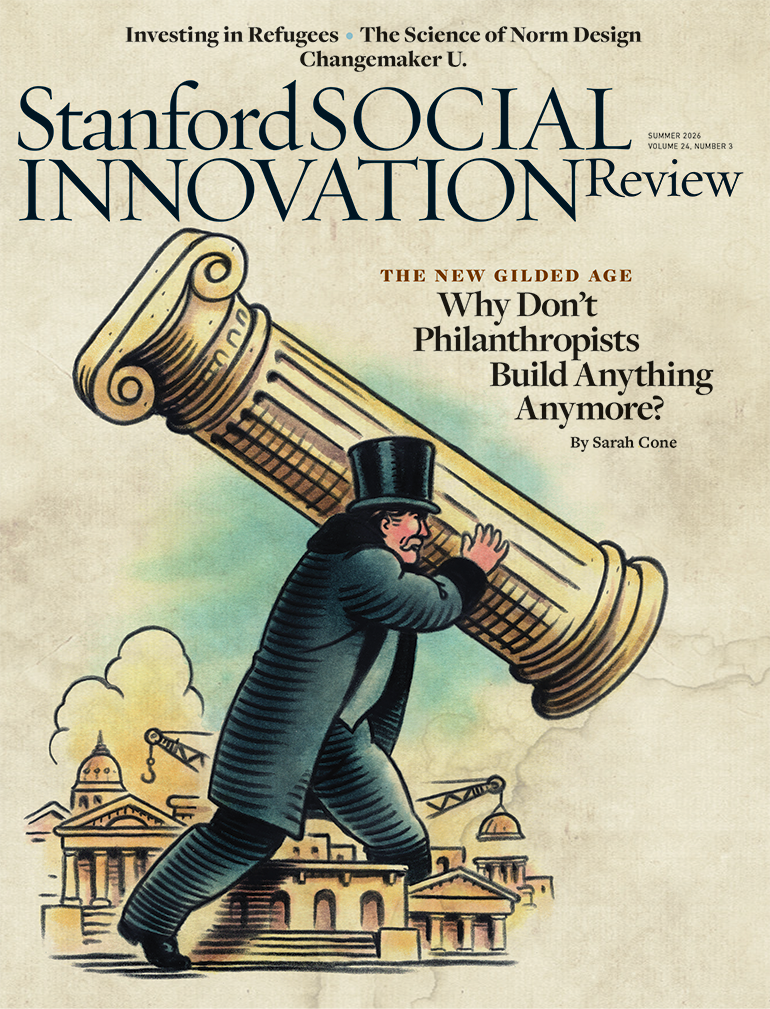

Accelerating “What Works”
There is an urgent need to expand the infrastructure for results-based policymaking at all levels of the US government.

There is an urgent need to expand the infrastructure for results-based policymaking at all levels of the US government.

Through a new initiative, Ashoka hopes to make the field of US social entrepreneurship more diverse, geographically and otherwise.

In Belgium, leaders of a nonprofit are using a pay-for-success mechanism to fund a program for young migrant job seekers.

A shift in the language used to describe and report social impact reflects the influence of an elite group of financial professionals.

During a critical period in its history, Greenpeace restructured its organization in order to leverage gains made at a local level.

When a for-profit company partners with an NGO, it must carefully manage employees’ adjustment to a new organizational context.
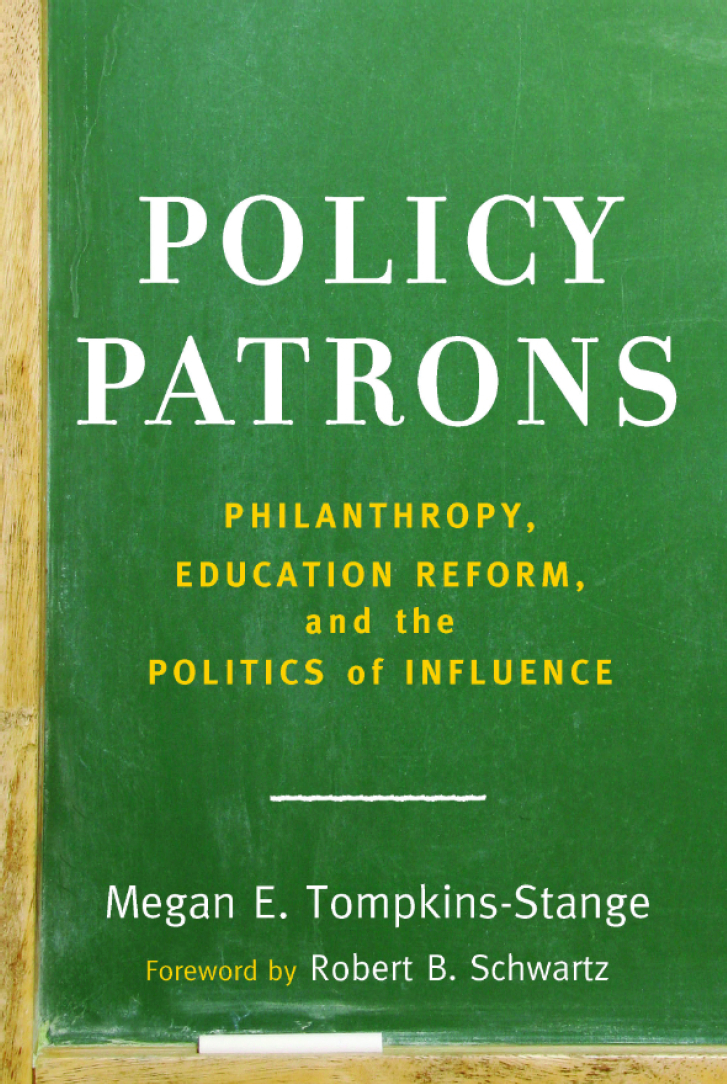
We should be more concerned about foundations’ outsized role in education policy.
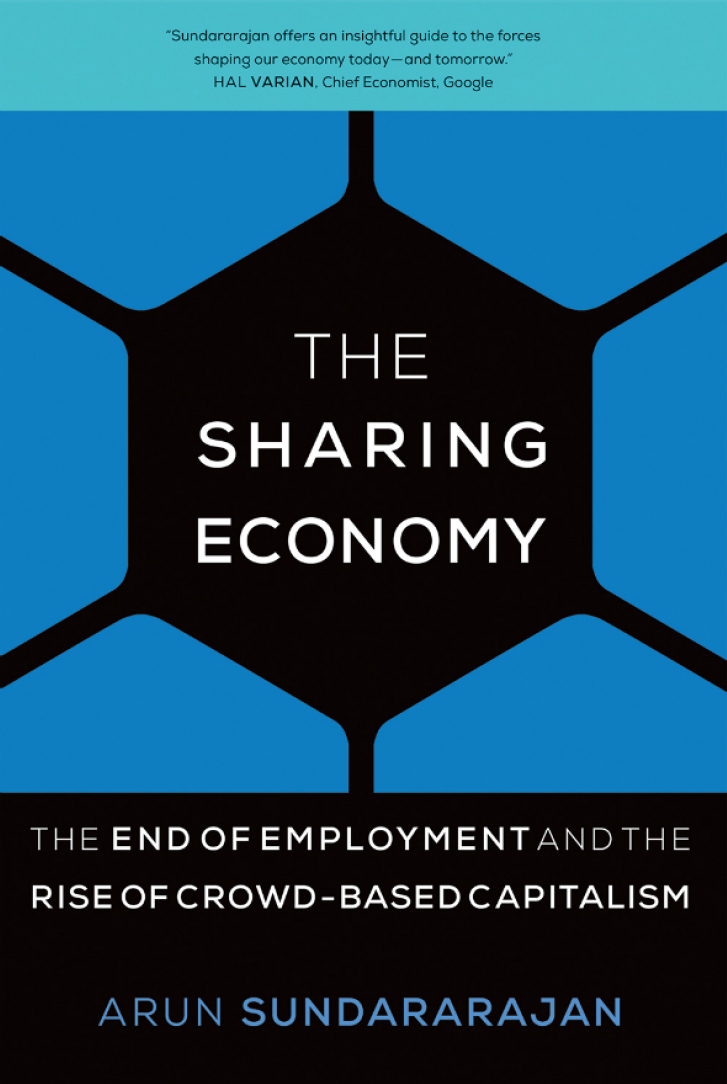
The sharing economy can help us coordinate economy activity, but that’s not the same thing as building interpersonal trust and understanding.
The number of companies offering employee engagement and happiness surveys, feedback tools, pulse checks, and culture assessments is exploding. How are social sector organizations using them?

How can the public sector create a culture that's friendly to human-centered design?