

Rare Amphibian
An excerpt from Strong Connections on digitally powering grassroots innovation.

An excerpt from Strong Connections on digitally powering grassroots innovation.
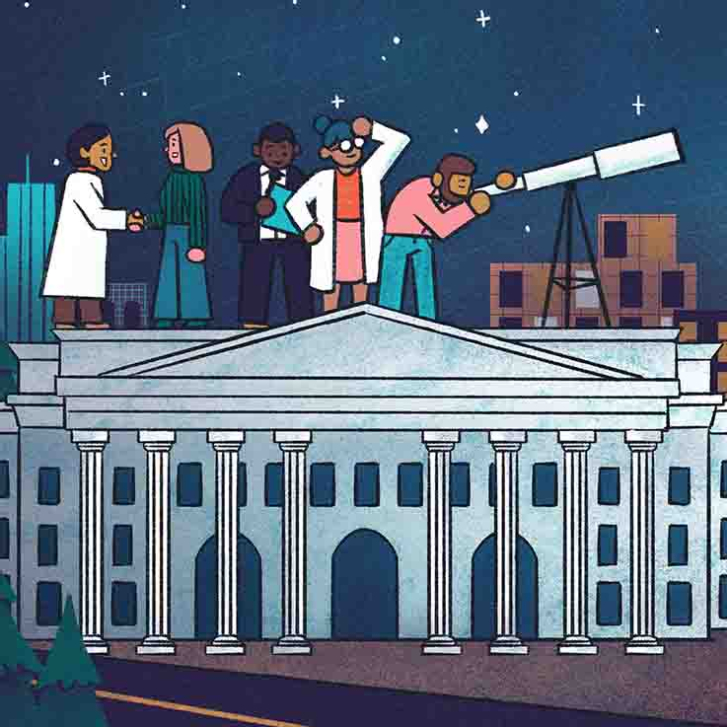
By investing in a talent pipeline of diverse public interest technologists, government and philanthropy can advance equity, expand opportunity, and make democracy work for the people.

To do as much good as possible with limited resources, funders should look to woefully underfunded protest movements.
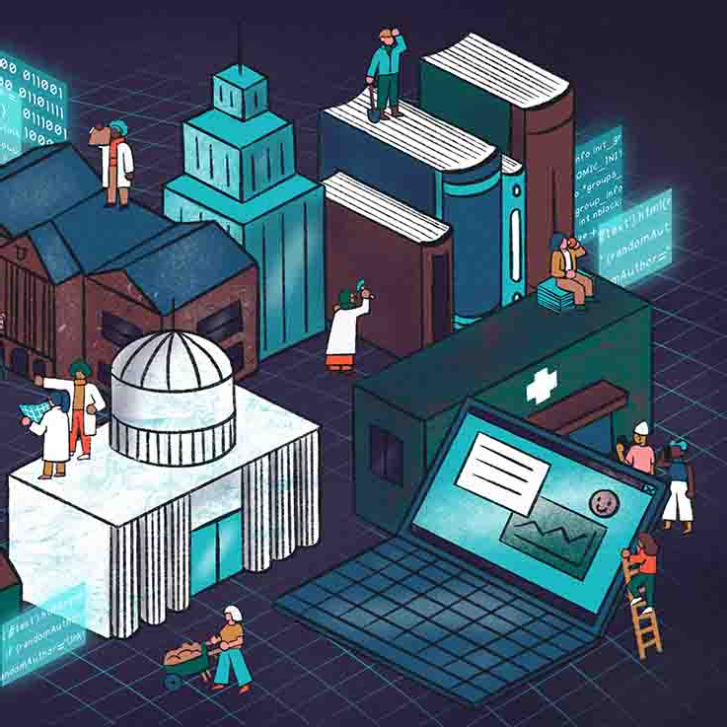
How a robust public interest technology field can overcome historical inequities and ensure that everyone can fully benefit from technology.

Recent rapid growth in climate philanthropy risks redundancy, waste, and friendly fire.

While CDR will be crucial in the long term, firms working toward net-zero, now, need to work toward reducing emissions.

Illinois’ Climate and Equitable Jobs Act shows that transformative policymaking is dependent on a genuinely inclusive process.

For a more equitable, inclusive, multiracial, and multiethnic democracy, we must invest substantive, resourced, and long-term decision-making power in the public.
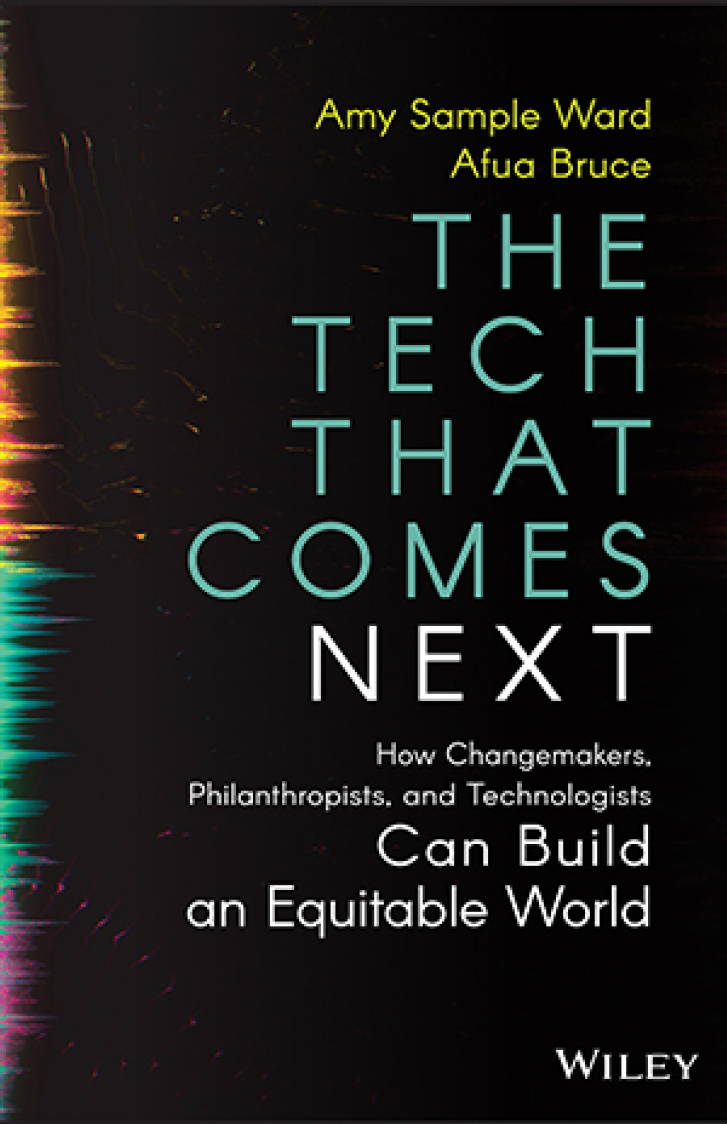
An excerpt from The Tech That Comes Next on the technology needed to create a more inclusive, equitable world.
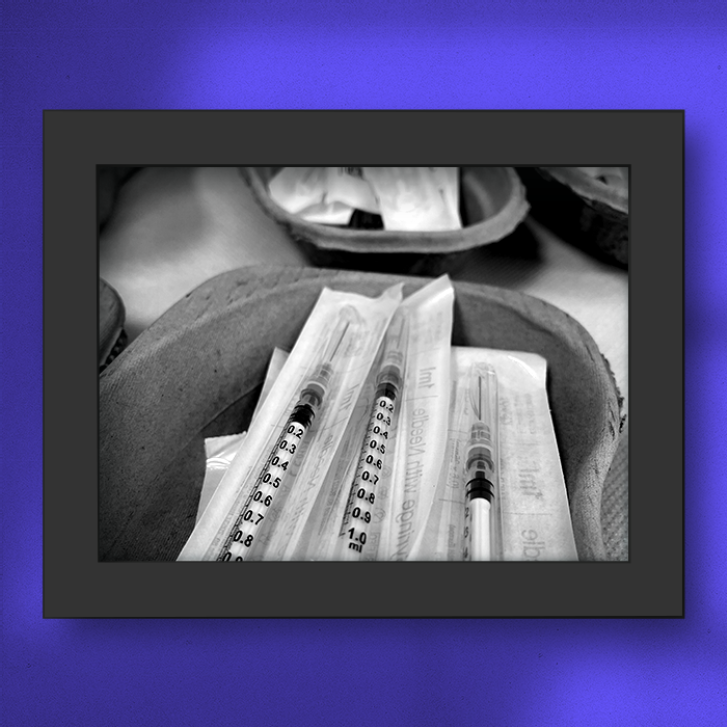
In the final episode of this special series, Dr. Rajiv J. Shah, president of the Rockefeller Foundation, and Mark Suzman, CEO of the Bill & Melinda Gates Foundation, share how they’re redefining the role of philanthropy in addressing public health crises and preparing for future pandemics. Produced in partnership with The Pew Charitable Trusts.