
Advancing Equitable AI in the US Social Sector
How thoughtfully designed AI-powered applications can drive stronger and more equitable outcomes for nonprofits.

How thoughtfully designed AI-powered applications can drive stronger and more equitable outcomes for nonprofits.

Because trust-based philanthropy shouldn’t mean blind faith.
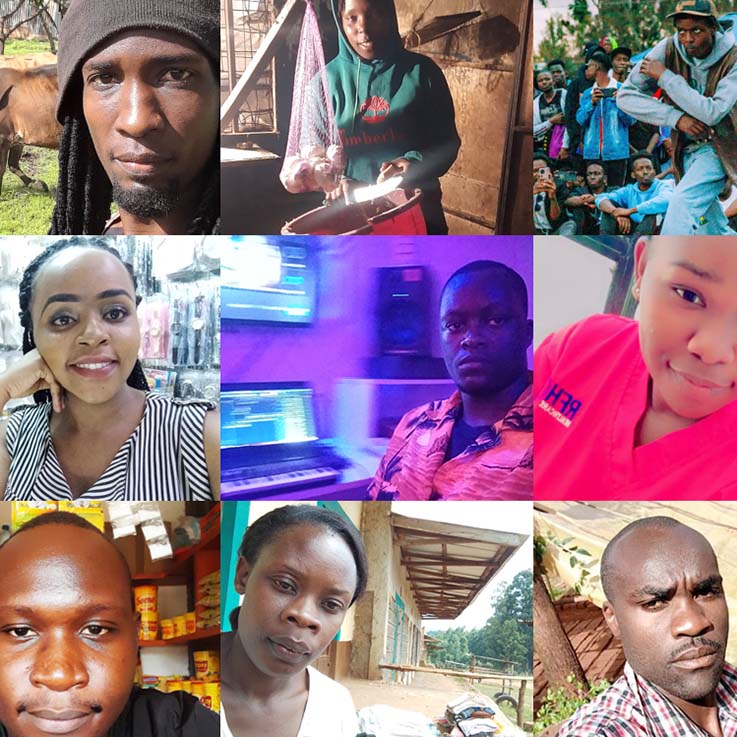
Six research and design tips for social networks, community builders, and educational organizations that want to support gender-inclusive entrepreneurship.

An excerpt from Scaling Up Development Impact on scaling through government

Funders are embracing a more equitable way of working with nonprofits by prioritizing collaboration and trust.

Social enterprise law around the world faces a difficult trade-off between cultivating public trust and promoting scale. The sector will benefit by getting clearer on the available options.

Funders often mistake accountability for compliance. Instead, accountability must be rooted in mutuality, relationships, and power analysis.

Startup collaboratives often encounter challenges when converting their motivation to do good into action. We have created a minimum viable benefit process for agenda-setting that can help them start up and stay on track. | Open access to this article is made possible by the Center for Integrative Leadership, University of Minnesota.

Instead of mirroring corporate practices, trust-based philanthropy listens to what communities want and need.

Rest and joy are essential to not only leaders but their teams, their organizations, and the communities they serve.