

Equitable Big Bets for Marginalized Communities
For real systems change, philanthropy must make greater investments in organizations led by the communities most affected by injustice.

For real systems change, philanthropy must make greater investments in organizations led by the communities most affected by injustice.

Programs like Teach for America can help participants take on the perspectives of those they seek to help.

Lower-income communities have stronger need for nonprofits but struggle to attract and sustain them.

Funds that invest in social goals inevitably confront tensions with the goal of making money.
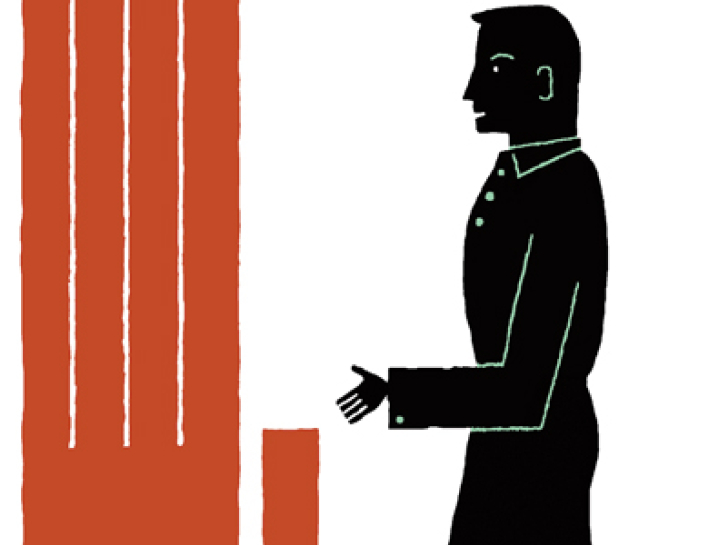
Being imprisoned hurts people’s prospects for employment by taking them out of the job market.
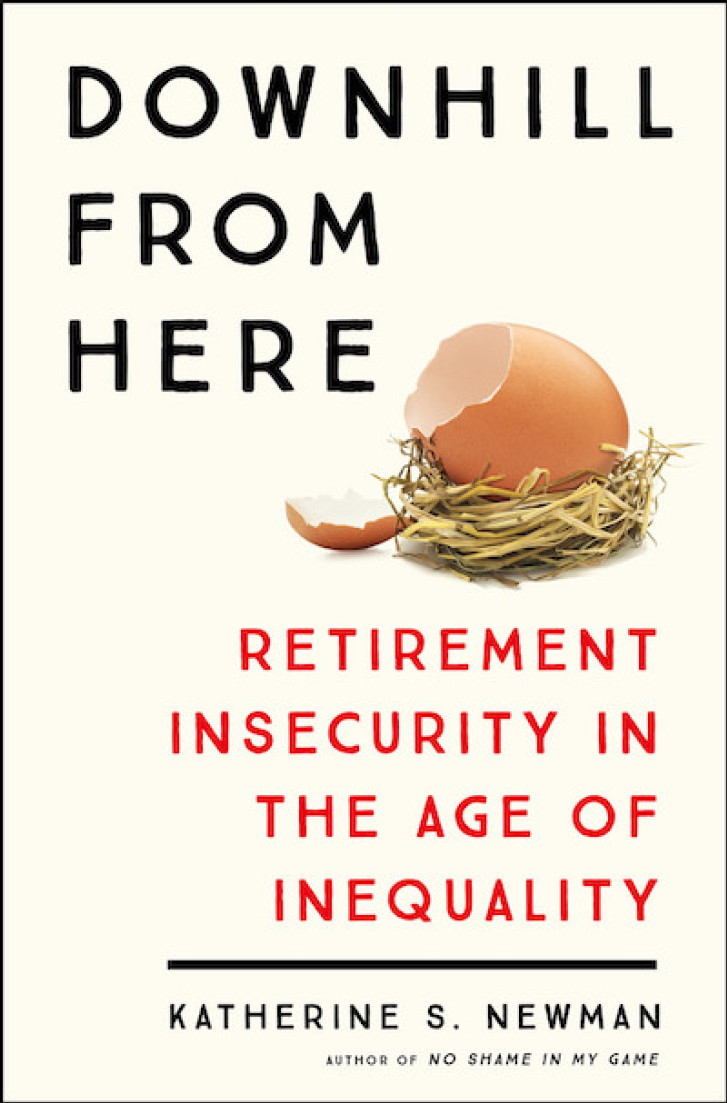
Katherine Newman’s Downhill From Here challenges current economic thinking by arguing that the crisis in retirement security is caused by a flawed system, not flawed humans.
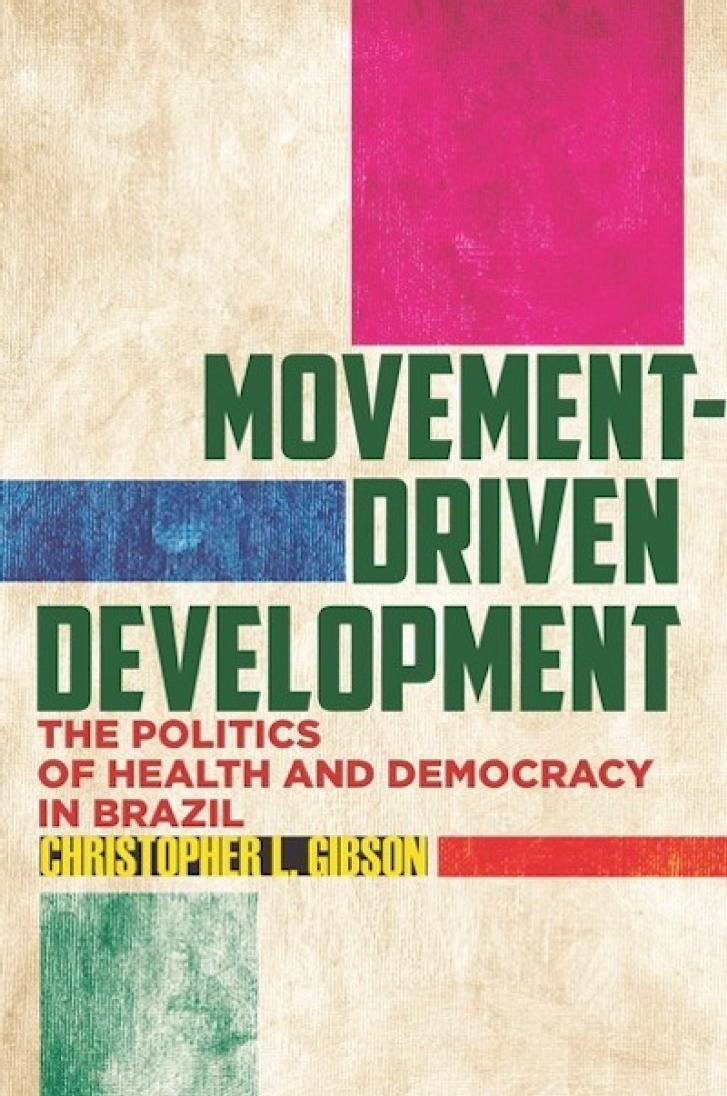
New scholarship on Brazil’s fight for universal health care strikes an optimistic note but is already eclipsed by rapid political change.

As the world’s climate scientists continue to warn us of the dire consequences of global warming, including a documented increase in wildfires, climate change is revealing new ways of how little we invest in and value humanity.

As society looks to the business world to solve the most pressing social and environmental issues, corporations are changing the way they are structured to fulfill their duties and new responsibilities.
Despite financial risks, the traditional business landscape in Korea is shifting to a model that focuses on the pursuit of social good in addition to profitability.